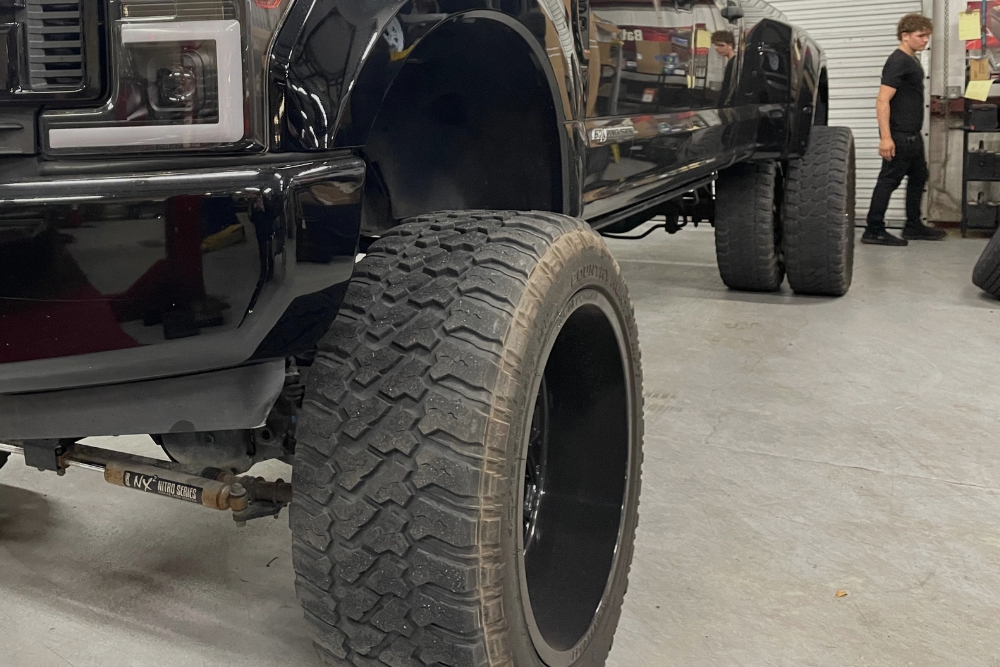
The best way to stay safe on Groveland’s rain-soaked roads this fall is with a professional tire inspection. Worn tread, low pressure, or hidden damage can turn a quick drive into a dangerous situation once Florida’s heavy rainstorms roll in. At Griffis Automotive Clinic, we help drivers prepare by checking tread depth, pressure, alignment, suspension components, and overall tire health to ensure every mile is a safe one.
In this guide, you’ll discover why fall is the ideal season to schedule a tire inspection, how to recognize early warning signs before they become serious, and the science behind hydroplaning that catches many Florida drivers by surprise. We’ll also cover practical tire care tips, what to expect from a professional inspection, and why families and fleets across Lake County trust our team for honest, thorough tire services.
Even the most advanced driver-assist technology cannot compensate for worn-out tires. Tires are your only point of contact with the road, and once the tread can no longer channel water away, safety declines quickly. Studies from the U.S. Department of Transportation show that nearly half of weather-related crashes occur on wet pavement.
When the rainy season arrives in Lake County, tires play a critical role in:
If you are searching for tire inspection in Groveland this fall, you are already taking a smart step toward safer driving.
At Griffis Automotive Clinic, our certified technicians perform a thorough tire inspection that Groveland drivers can count on. Here’s what we check:
Florida law requires a minimum tread depth of 2/32 of an inch, but for safe wet-weather driving, most experts recommend replacing your tires at 4/32. We use precise tread gauges to measure depth across the entire tire, not just one spot, to ensure even wear and dependable traction.
Cooler fall mornings and warmer afternoons can cause pressure to fluctuate. Underinflated tires wear faster and hurt fuel economy, while overinflated tires reduce traction. We adjust your tire pressure to the manufacturer’s recommended PSI, balancing safety, comfort, and efficiency.
Uneven wear often points to alignment, suspension, or even tire rotation issues. Catching this early protects your tires, improves handling, and helps avoid larger mechanical problems.
Cracks, bulges, or cuts in the tire sidewall can signal structural weakness that may lead to a blowout, especially risky in heavy rain. Our inspections carefully check each sidewall for any signs of damage.
Even if tread looks acceptable, tires degrade with time. After about six years, rubber compounds begin to harden and crack. We confirm tire age using the DOT code to ensure your tires are still roadworthy.
Groveland offers a blend of highways, residential streets, and rural roads. Each setting tests your tires in different ways:
Many local drivers also depend on trucks, SUVs, and fleet vehicles, which place additional stress on tires. Fleet vans, towing vehicles, and family haulers all need dependable traction to stay safe in the fall.
Hydroplaning may feel sudden, but it’s simply physics. When water builds up faster than your tire tread can push it away, the tire rides on top of the water instead of gripping the road. Even advanced stability systems can’t always prevent it.
Factors that raise the risk include:
What many don’t realize is that hydroplaning can happen at speeds as low as 35 mph with worn tires. That’s why routine tire inspections in Groveland aren’t just maintenance. They’re critical for safety during Florida’s rainy season.
A professional inspection is the first step, but here are some tips you can follow all season long:
Plenty of national chains advertise tire services, but Groveland drivers quickly notice the difference in quality and care at Griffis Automotive Clinic. We understand new tires are a big investment, so our priority is helping you protect that investment through every mile. Here’s what sets us apart:
Instead of just telling you your tires need attention, we show you exactly what’s happening and why it matters. This transparency, combined with our family-focused values, has earned us recognition as one of the best shops in South Lake County.
Learn more about our professional tire services in Groveland and see how Griffis Automotive Clinic helps you get the most out of every set of tires.
If you want to take proactive steps between professional inspections, use this simple checklist:
Completing these steps can provide extra peace of mind before taking longer trips during the fall and holiday season.
Tires should be inspected at least once a year or every 6,000 miles, whichever comes first. Regular inspections help identify tread wear, pressure issues, or sidewall damage before they become safety risks. More frequent checks are recommended if you drive long distances or in heavy rain.
You know your tires need replacing when tread depth falls below 2/32 of an inch, sidewalls show cracks or bulges, or the tire is more than six years old. Drivers may also notice vibration, pulling, or increased stopping distance as signs that it’s time for replacement.
The penny test is a quick way to measure tread depth. Insert a penny into the tread with Lincoln’s head facing down. If the top of his head is visible, the tread is too low and the tire should be replaced. This helps ensure safe traction in wet conditions.
Tires wear unevenly due to poor alignment, incorrect tire pressure, or worn suspension components. Uneven wear can shorten tire life and reduce safety, especially on wet roads. Regular inspections and rotations help prevent this and ensure even wear across all four tires.
Hydroplaning occurs when water builds up faster than the tire tread can push it away, causing the tire to lose contact with the road. Worn tread, low tire pressure, or high speeds increase the risk. Proper tire inspections reduce the chance of hydroplaning during Florida’s rainy season.
The fall rainy season makes safe tires more important than ever. While quick at-home checks are helpful, only a professional inspection can uncover hidden wear, alignment issues, or structural damage that puts you at risk on wet roads. At Griffis Automotive Clinic, our reputation for honesty, precision, and customer care has made us a trusted choice for families and fleets across Lake County.
Don’t wait until the next downpour to find out your tires aren’t ready. Call us today at (352) 243-2277, visit us at 1508A Max Hooks Rd., Groveland, FL 34736, or request your tire inspection online. Let our family-owned shop help you protect your investment, keep your passengers safe, and give you peace of mind every time you drive.