
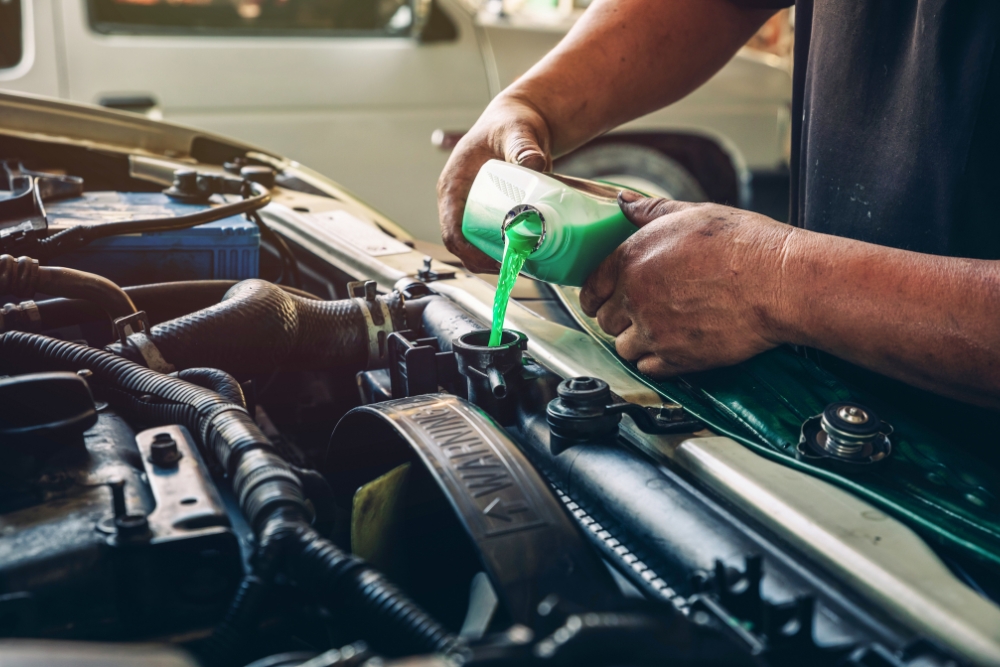
As winter transitions to spring in Central Florida, your vehicle’s cooling system faces new challenges. Pre-spring cooling system service in Groveland helps prevent overheating when temperatures rise, protecting your engine from costly damage during road trips and daily commutes. At Griffis Automotive Clinic, our ASE-certified technicians provide comprehensive cooling system inspections, coolant flushes, and radiator maintenance to keep your vehicle running reliably through Florida’s hot months.
Florida’s mild winters create a deceptive comfort zone for vehicle owners. While Groveland winters stay relatively mild, the transition to spring and summer means your cooling system shifts from occasional use to working overtime in rising temperatures and humidity.
Your cooling system maintains precise engine temperatures year-round, and any weakness becomes a serious liability when Central Florida heat arrives. Coolant degrades over time, hoses develop microscopic cracks, and corrosion builds silently inside your radiator. These issues stay hidden until your engine desperately needs maximum cooling capacity.
The transition period between seasons is your strategic window for preventive action. Addressing cooling system maintenance before sustained heat arrives means you’re not competing with emergency repairs when every shop in Lake County is flooded with overheated vehicles.
Understanding the service process helps you appreciate why this maintenance matters. A comprehensive cooling system inspection goes far beyond topping off coolant.
Technicians test your coolant’s pH level, freeze point protection, and overall condition. Degraded coolant loses its ability to prevent corrosion and transfer heat efficiently, even if the fluid level appears normal.
Pressure testing reveals leaks invisible during casual inspection. Small seepage becomes catastrophic failure under highway conditions, especially during the stress of hot weather operation.
Most cooling system failures don’t announce themselves with obvious symptoms. They develop gradually, reaching critical status right when you can least afford a breakdown.
Your vehicle communicates problems before complete failure occurs. Recognizing these symptoms prevents roadside emergencies:
Ready to ensure your cooling system is ready for spring? Schedule your cooling system service with Griffis Automotive Clinic at 125 Villa City Rd, Groveland, FL 34736, or call (352) 243-2277 to book your appointment today.
Spring means road trips for Florida families. Whether you’re heading to theme parks, beaches, or visiting relatives, your cooling system faces its toughest test during extended highway driving.
Interstate travel generates sustained high temperatures in your engine. The combination of steady high speeds, warm ambient air, and A/C use creates maximum demand on every cooling component.
Highway Heat Factors That Stress Your Cooling System:
Overheating 200 miles from home transforms a vacation into a crisis. Emergency repairs cost significantly more than scheduled maintenance; you lose vacation time, and you’re at the mercy of unfamiliar shops. Pre-spring service eliminates this risk with a thorough inspection and preventive replacement of vulnerable components.
Your engine’s systems work together, and smart maintenance addresses multiple needs during a single service visit.
At Griffis Automotive Clinic, our approach combines advanced technology with straightforward communication. We use Digital Vehicle Inspections during service to document component condition with photos and detailed notes you can review.
What Sets Us Apart:
Most manufacturers recommend a coolant flush every 30,000 to 50,000 miles or every three to five years, depending on your vehicle and coolant type. Florida’s extreme heat can accelerate coolant degradation, making more frequent service beneficial for optimal engine protection.
Old coolant loses its ability to prevent corrosion and transfer heat effectively, leading to rust buildup, radiator clogs, and eventual engine overheating. Neglected cooling systems often require expensive repairs, including radiator replacement, water pump failure, and engine damage from overheating.
Simply adding coolant doesn’t remove contaminated fluid or clean deposits from your cooling system. While topping off low coolant provides temporary relief, only a complete flush removes rust, scale, and old coolant that reduce system efficiency and cause overheating problems.
The terms are often used interchangeably, but a coolant flush cleans the entire cooling system, including the engine block and heater core, while a radiator flush specifically targets the radiator. A comprehensive coolant flush provides more complete cleaning and better protection for your engine.
A complete cooling system service typically takes 60 to 90 minutes, depending on your vehicle type and any additional repairs needed. This includes inspection, pressure testing, coolant flush, and system refill with proper coolant specifications for your engine.
Don’t wait for warning lights or temperature spikes to remind you about cooling system maintenance. Proactive service protects your engine, prevents breakdowns, and provides confidence that your vehicle handles Florida heat reliably.
Visit Griffis Automotive Clinic at 125 Villa City Rd, Groveland, FL 34736, or call (352) 243-2277 to schedule your pre-spring cooling system service today. Let our experienced technicians deliver the preventive maintenance that keeps you safely on the road.
Don’t wait for warning lights or temperature spikes to remind you about cooling system maintenance. Proactive service protects your engine, prevents breakdowns, and provides confidence that your vehicle handles Florida heat reliably.
Visit Griffis Automotive Clinic at 125 Villa City Rd, Groveland, FL 34736, or call (352) 243-2277 to schedule your pre-spring cooling system service today. Let our experienced technicians deliver the preventive maintenance that keeps you safely on the road.